Our online store is OPEN!
The story behind Capriole Goat Cheese.
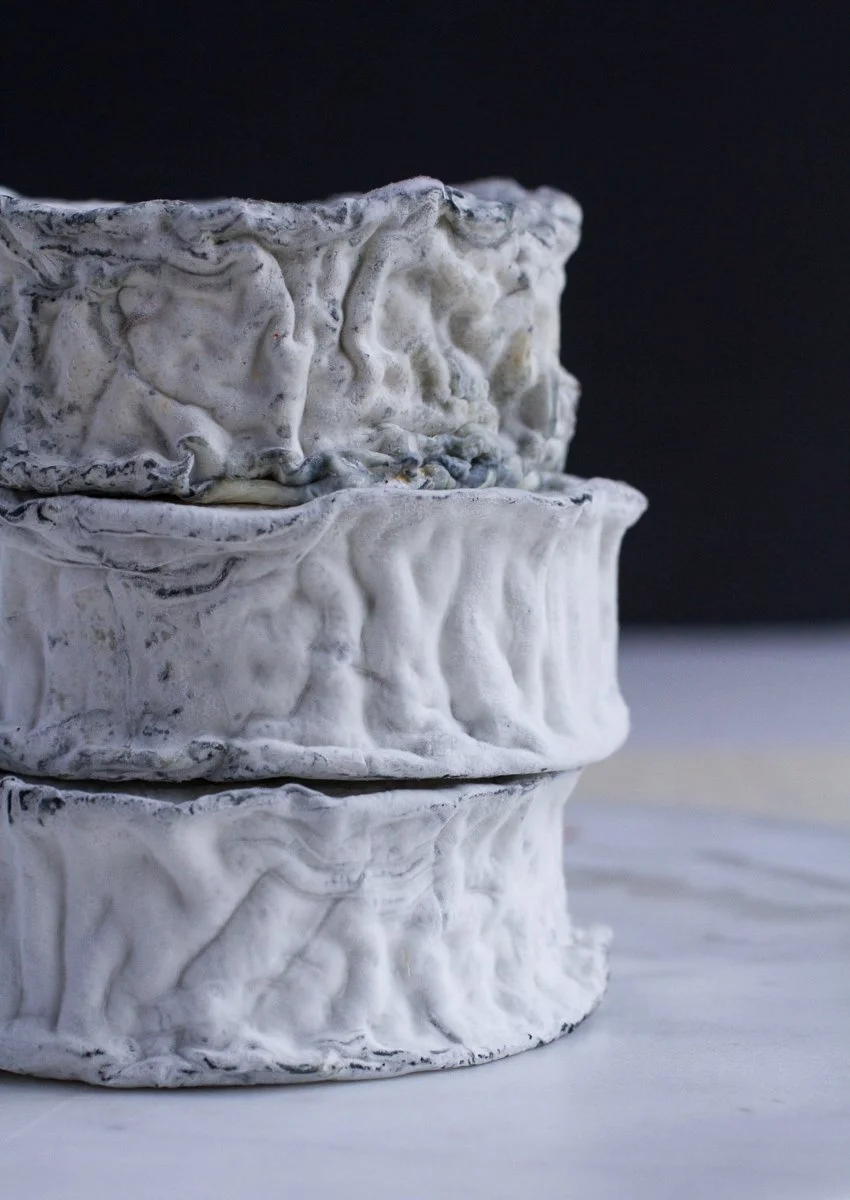
Flora, a taste of Spring.
As the first flowers begin to bloom in our gardens and fields, Flora feels especially at home on the table. Flora is named for our founder’s grandmother, a country cook and gardener — but the name also reflects the unique cocktail of cultures that define this cheese.
Try this bloomy-rinded round and spring favorite for yourself.
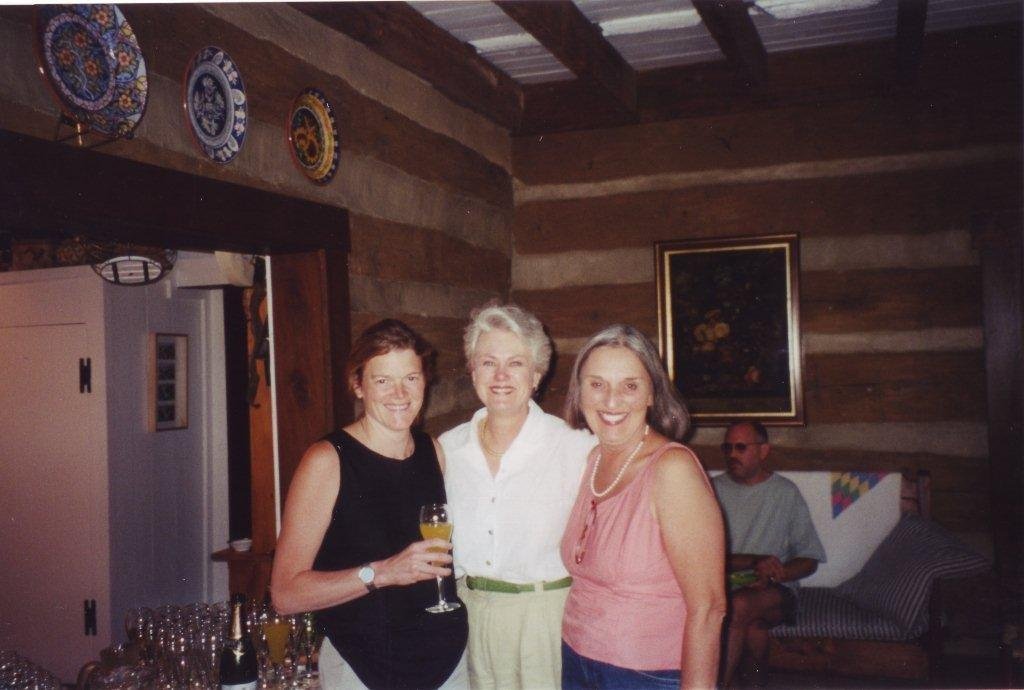
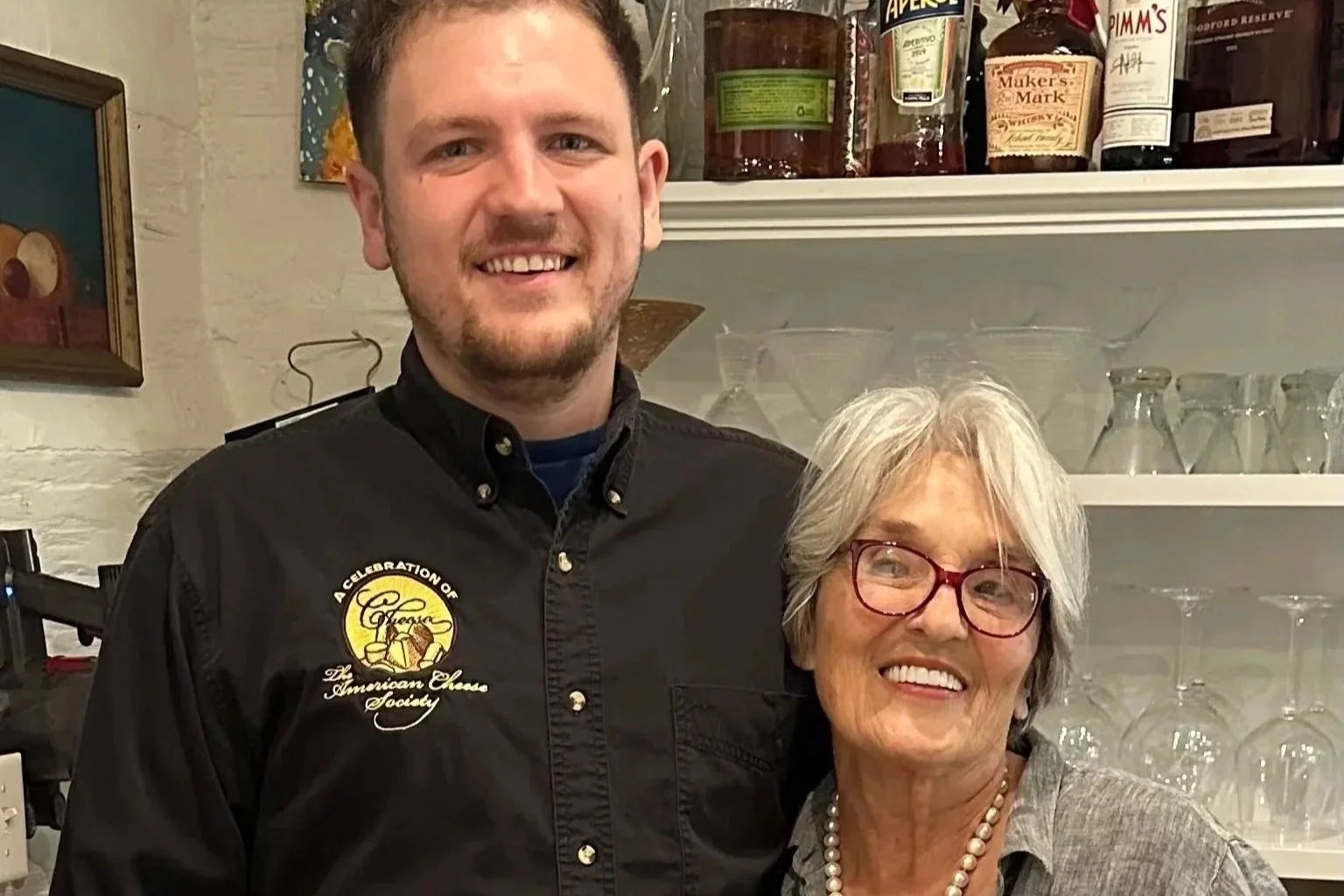


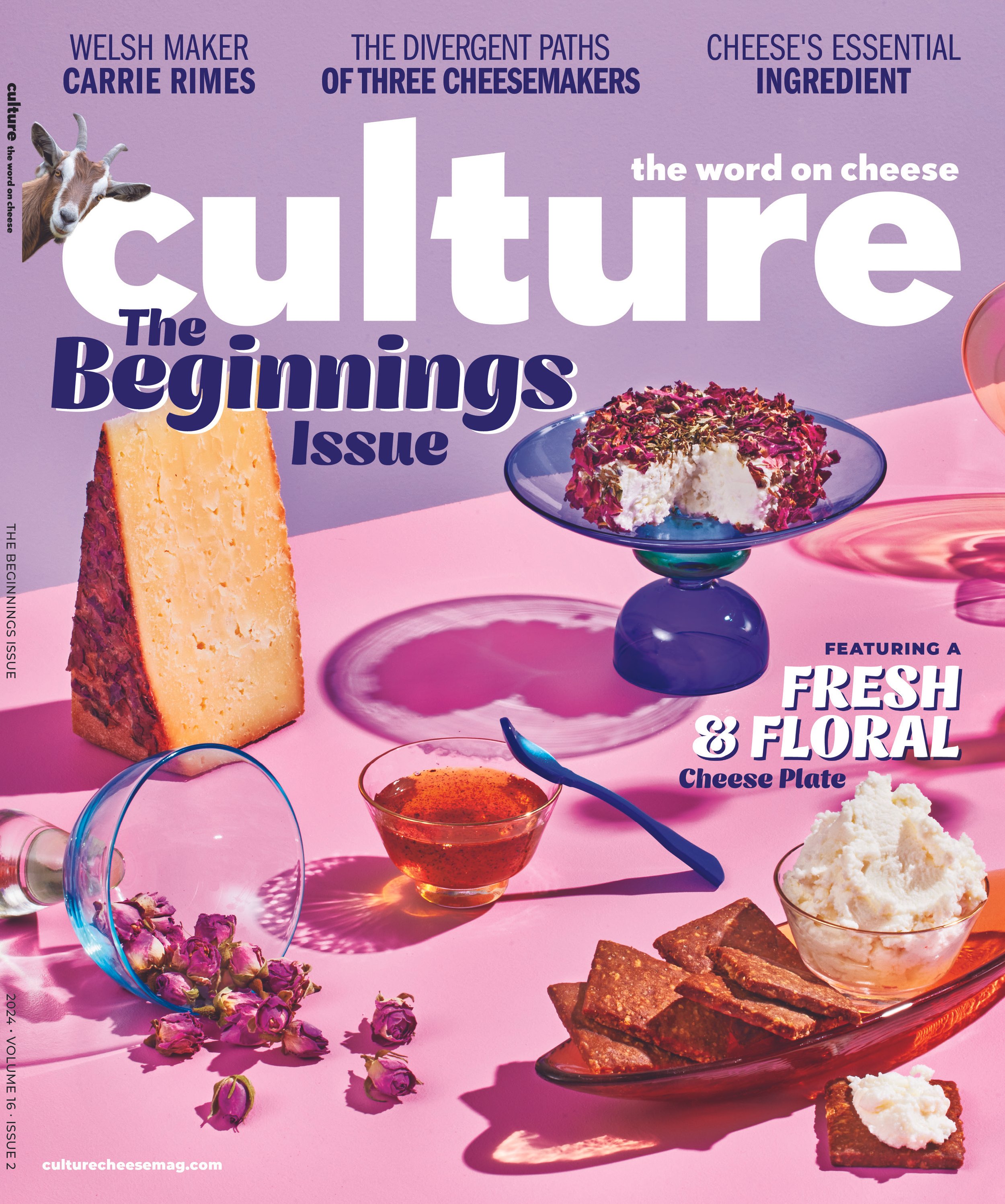

Crafting goat cheese by hand in Greenville, Indiana since 1988.
Here’s the latest — and how to connect with us.
Where to find us: Find Capriole at your favorite local cheese shops, restaurants, and markets around the country! It’s easy! Check the Where to Find Us page and click on your state for a list of retailers. We’d love it if you would message us if you know others who do offer Capriole but are not listed. Or you can now order online!
Retailers and distributors: to place an order, please contact us or give us a call — (812) 923-9408.
Social media matters. Keep posting, tagging, and sharing the Capriole cheese love on Instagram and Facebook. Spread the word!


